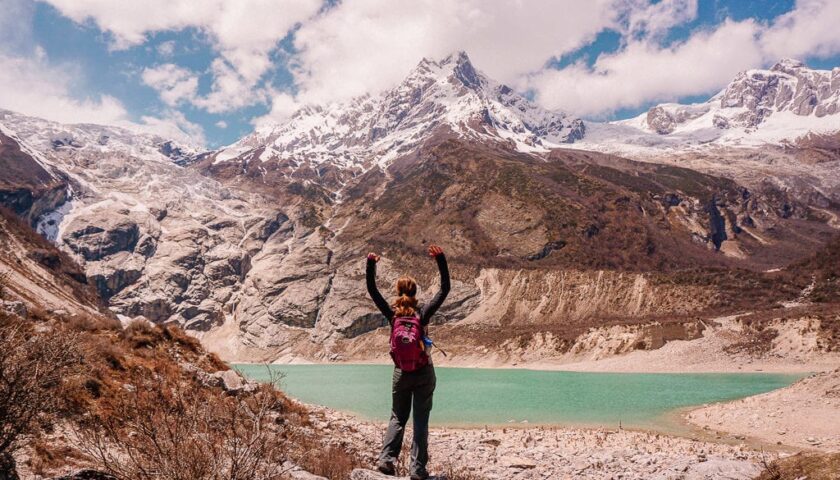

Manaslu Circuit trek is one of the most scenic but challenging high-altitude treks in Nepal. Circumnavigating the world’s eighth-highest mountain, this far-off route leads you through forested valleys with dramatic, dashing rivers, extensive alpine meadows of Larkya La bypass.
The scenery might be iconic, but the real challenge is just dealing with long walk days, steep ascents, and thin air. Training really matters in order to be able to finish the trek, but also a lot to safely enjoy it. Preparation for hiking long distances at high altitude should begin months before you set foot in Nepal.
Understanding the Way of the Manaslu Circuit Trek Trail
Good training starts with understanding precisely what the Manaslu Circuit Trek will ask of your body. The trip lasts from 12 to 16 days, with five to eight hours walking each day. There are long ascents, bumpy descents, suspension bridges,s and uneven trails. And the more commercial routes have plenty of teahouses; Manaslu is remote, which means fewer rest options and longer village-less distances. It goes higher and higher, putting a constant demand on your heart to circulate the blood. Without speed, your training should focus instead on stamina, leg strength, balance, and a mind that shows up every day.
Building a Strong Cardiovascular Base
There is a significant cardiovascular component to high-altitude endurance. The air is much thinner at altitude, which means your heart and lungs have to work a lot harder. Begin training at least 3-4 months in advance of your trek and build up some good aerobic exercise. Possible forms of moderate exercise are jogging, fast walking, biking, swimming, or stair climbing.
Strive to gradually build up to longer steady efforts rather than short, intense stints, and ultimately long enough that you’re simulating what it will be like on an epic 10-hour trekking day. Getting your heart used to thumping strong and steady will tell fatigue and breathlessness to F off on the trail, especially if you come across lots of endless uphill miles.
Strength Training for Trek-Specific Muscles
Your heart and lungs get in shape from the cardio, but strength training whips your body into condition so it won’t twon’t fall apart or wear out. The Manaslu Circuit involves a lot of up and down, andmany steps keep working your quads, hamstrings, glutes, and calves. Strong midsection muscles (core) can also significantly improve balance in challenging conditions with a backpack on.
Include maneuvers like squats, lunges, step-ups, and deadlifts, which simulate the motion used in trekking. A strong upper body and shoulders also make it a lot easier to haul your backpack across long distances. Weight lifting increases muscle endurance, so you can spend more hours without getting tired on a long ride.
Backpack and Hill-Stair Training
Also, one of the least thought-out components before trek is a practice with the actual gears you are going to carry. Flat pavement walking is not hiking with a load on your back over rocky trails. During your training hikes, wear the boots and do not forget to load your backpack gradually with weight, as well as a water bottle (of different sizes), alternatively.
Source hills, forest trails, or stairwells to replicate real trekking conditions. This sort of functional training strengthens the muscles in your feet and supporting muscle groups, which can help to reduce blisters from occurring and joints from creaking while on a long walk.
Improving Endurance Through Long-Duration Training
Endurance for the Manaslu Circuit isn’t speed; it’s consistency. You should be able to walk comfortably and without any exertion for a number of hours each day. Long training: Add one or two longish training sessions per week to build this power. These should be comfortably complex, multiple-hour affairs to get your body accustomed to long-duration work. Long back-to-back training days are particularly good at simulating hiking on tired legs. It also prepares your muscles, joints, and energy systems for the accumulated stress of the entire journey.
How to Acclimate Your Body for High Altitude
You won’t be ableto mimic high altitude with sea-level training perfectly, but you can condition your body to acclimatize more readily. How well you acclimatize hinges on your aerobic fitness. Long, easy training helps condition your body to use oxygen more efficiently. Deep breathing and paced training during workouts can also be helpful. There is no getting away from the fact that to avoid altitude problems and trek well in the mountains, good acclimatization days are essential, but reasonable fitness upon arrival will make a big difference to how you feel at this higher elevation.
Mental Training and Trekking Mindset
The altitude of the Manaslu Circuit Trek is not only physically challenging but also mentally taxing. Some days, the long miles, chilly mornings, and physical fight can wear on your motivation. As such, psychology is aintegralnt part of preparation. Patience, optimism, and pacing yourself are skills. Challenging-weather or challenging-terrain workouts can help to sharpen your mental strength. Other means to gain confidence and focus in the lead-up are visualisation (Picture yourself managing a trek well and getting over Larkya La Pass).
Recovery, Nutrition, and Injury Prevention
“You can train yourself right into the ground with insufficient recovery and then get injured before you even’begin,” Kristin Addis Seeder, an expedition leader for N.O.L.S., wrote to me in an email. Rest days are when muscles repair and grow stronger; they’re just as important as workouts. So make sure to add stretching, mobility, RK, and adequate rest into your planning. And of course, nutrition is fundamental for endurance training.
Eating a balanced meal that includes carbohydrates, protein,ein and healthy fats will fuel your workouts as well as assist you in recovering from them. Staying well hydrated in training helps prepare your body for trekking at high altitude, where symptoms of tiredness and altitude sickness can be exacerbated through a lack of water.
Final Conclusion
With the right investment of time and effort, Manaslu Circuit Trek training will increase your chances for an enjoyable, safe, and successful trek. ” This is not a test of Olympic athletic power but of dogged strength, trustworthy stamina, and mental oomph.
By building up your cardiovascular fitness, key muscle groups, and acclimatization in actual trekking conditions – (and then you’re going to rest here) – you’re preparing your body to handle the altitude challenges, and it’s going to be tough trekking days. It’s not something to take lightly, ly but with the proper preparation and guidance from operators like Sherpa Expedition and Trekking, the Manaslu Circuit adventure is still more than a tr;k, it’s an incredible Himalayan experience you can really embrace

